
6 Invasive Groundcovers & Vines We Remove and Replace in Ottawa
Take a look around your yard this season. You might be hosting some of Ontario's most aggressive invasive species without even realizing it! 😱
Many of the plants we see taking over local forests and ravines were originally brought here for ornamental landscaping. Because these plants have no natural predators in our climate, they spread toooo rapidly. Once they escape the garden bed, they actively crowd out native plant populations and disrupt the local ecosystem.
That is why removing and replacing invasive species is a core part of what we do at REWILD. Our team specializes in carefully clearing out these stubborn plants and redesigning the space with beautiful, resilient native species.
Here are the 6 most common invasive groundcovers and vines we target and remove for our clients in Ottawa!
Invasive Groundcovers and Vines
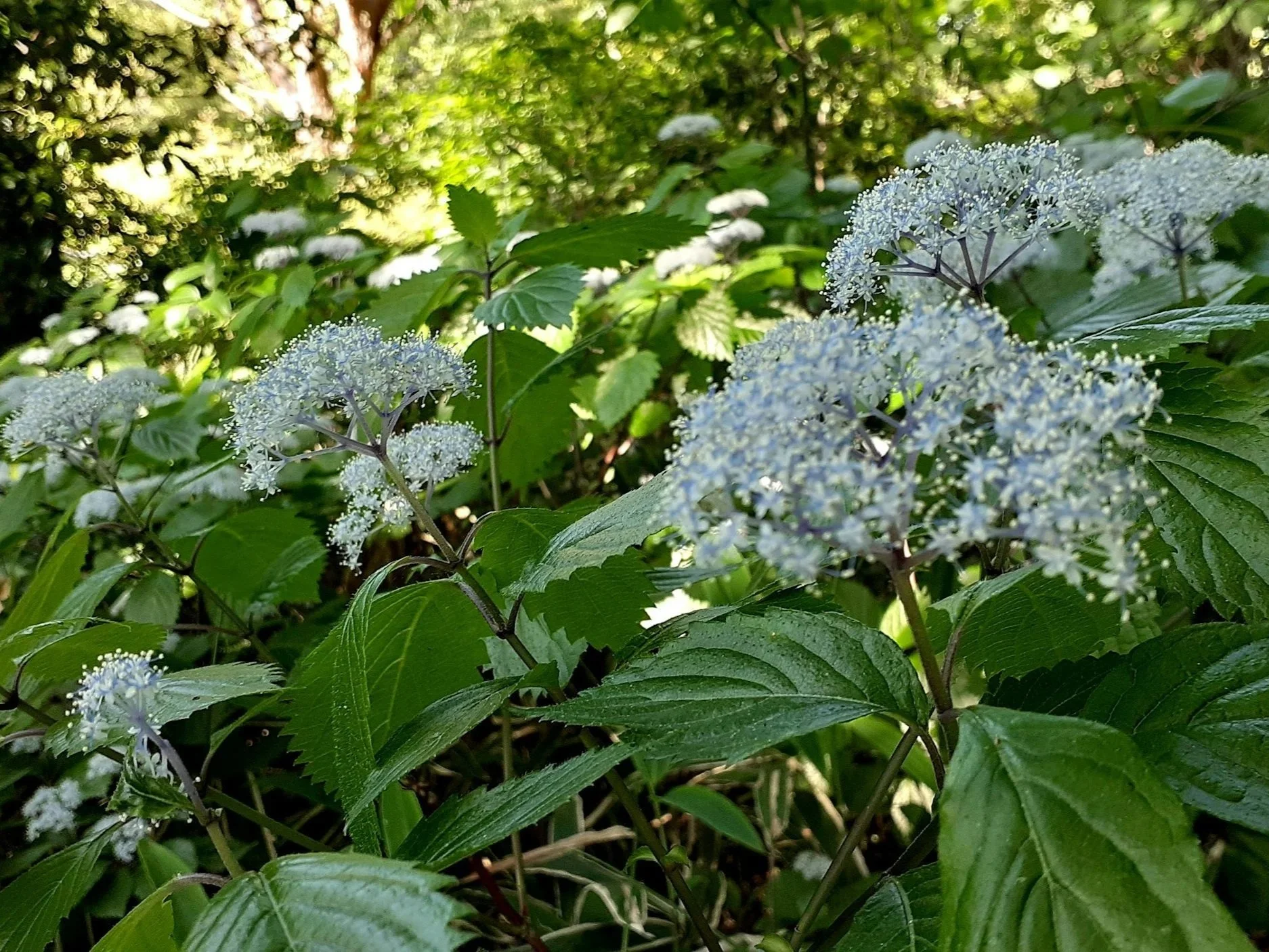
Goutweed
Often sold under the name "Snow on the Mountain," this highly aggressive spreader easily escapes garden beds to crowd out native spring ephemeral plants. Its root system is made up of fragile, deep-reaching rhizomes. If even a tiny fragment of the root is left in the soil during removal, the plant can regenerate entirely. Because of this resilience, it frequently requires professional management to clear the area safely and thoroughly.
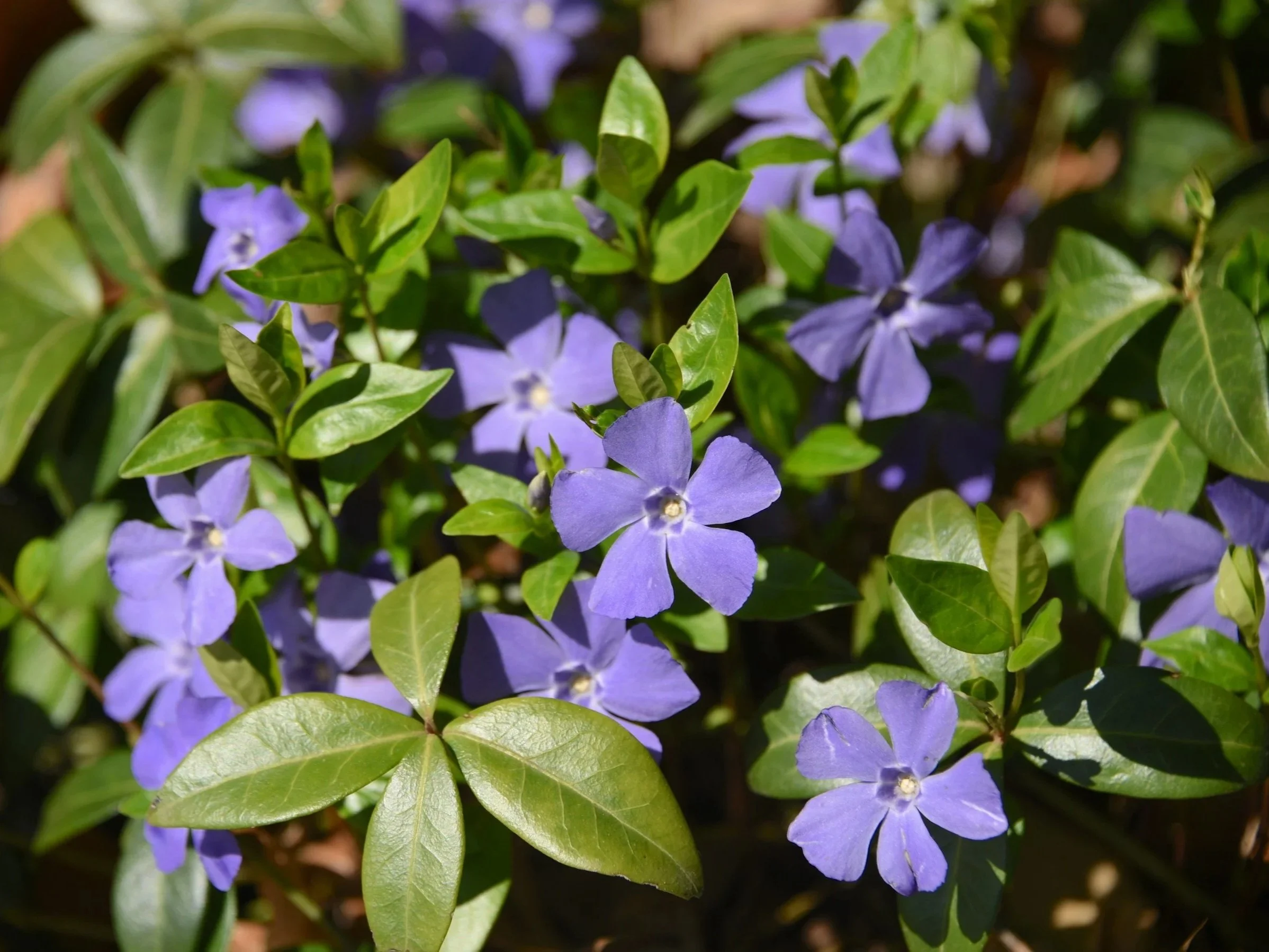
Periwinkle
While it is still frequently sold at local nurseries as a reliable evergreen groundcover, Periwinkle forms incredibly dense, heavy mats across the forest floor. Its thick foliage acts as a physical barrier that actively prevents native seeds from reaching the soil and germinating. Furthermore, it offers absolutely no ecological value or food source to local wildlife, essentially turning the area into an ecological desert.
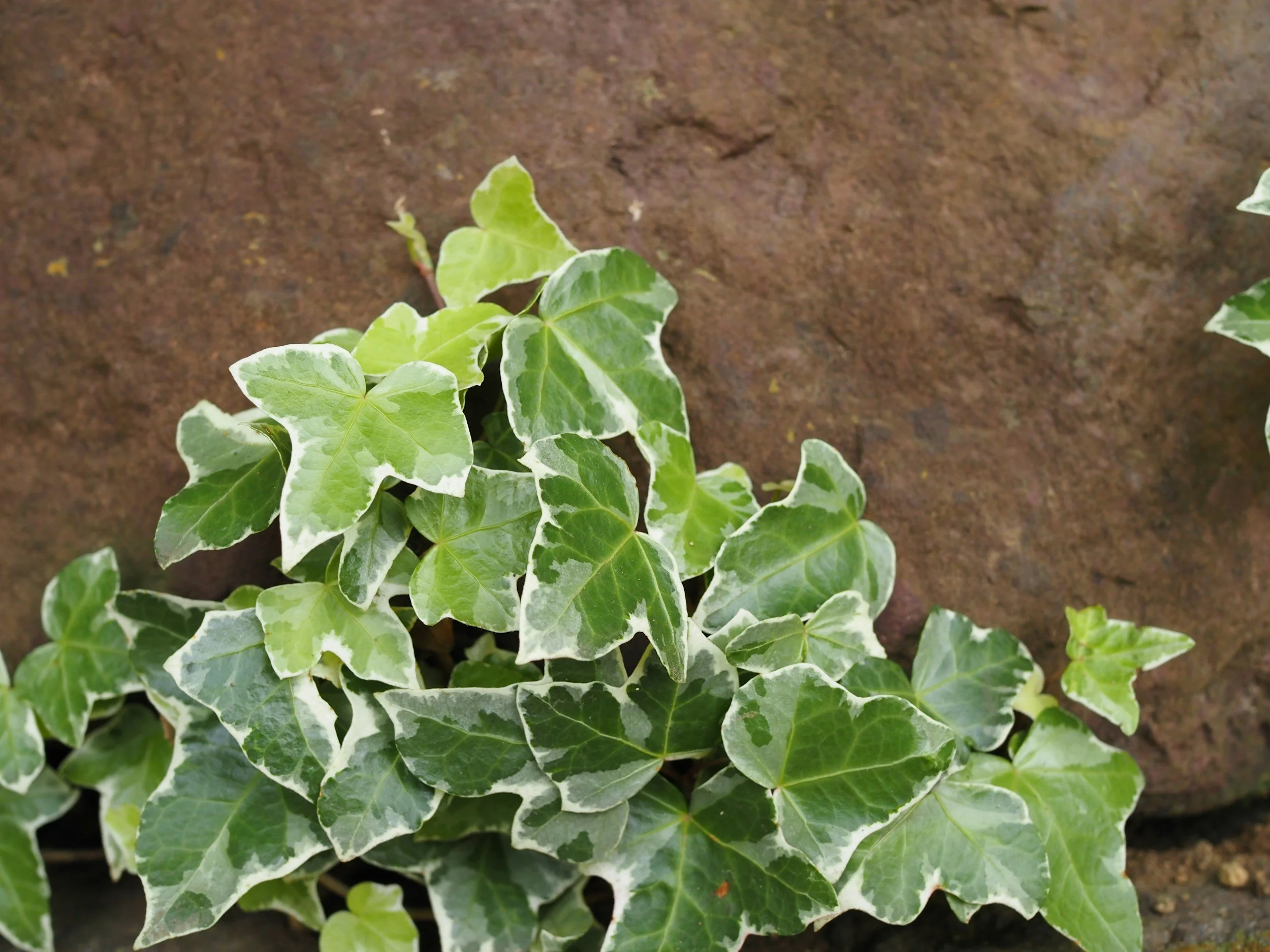
English Ivy
This vigorous climber is notorious for scaling mature trees, fences, and buildings. As it climbs, the heavy vines can severely damage the structural integrity of a tree by weighing down its branches and trapping moisture against the bark, which can promote rot. Removing it from the base of your trees is a crucial first step to protect the health of your existing canopy and open the space back up for beneficial native groundcovers.
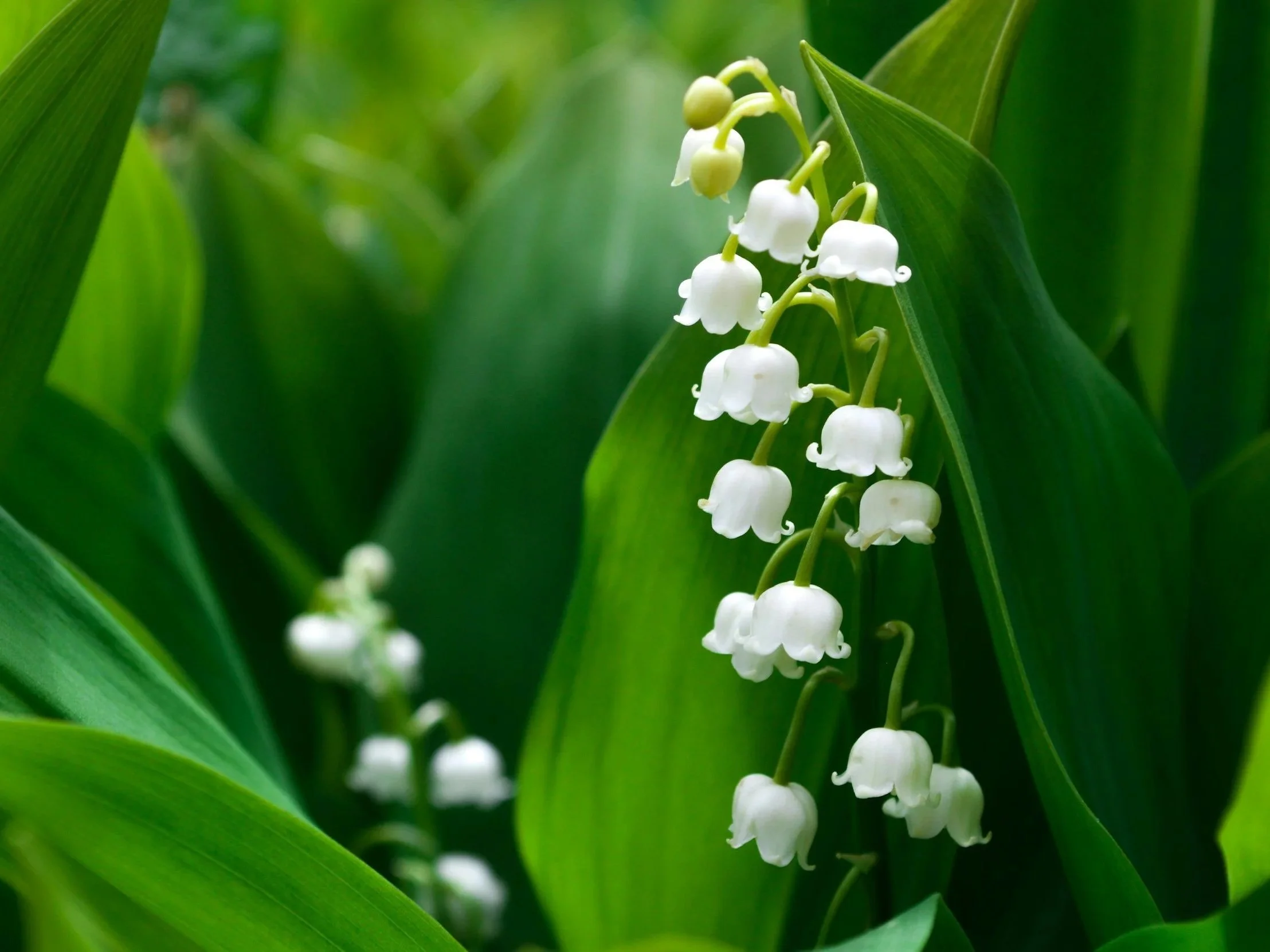
Lily of the Valley
It may look delicate and have a beautiful, recognizable scent, but this plant is a wolf in sheep's clothing. It spreads rapidly through thick underground root systems to create a complete ecological dead zone where nothing else can grow. Additionally, all parts of the plant are highly toxic to many pets and local wildlife, making it a priority for safe removal.
Creeping Bellflower
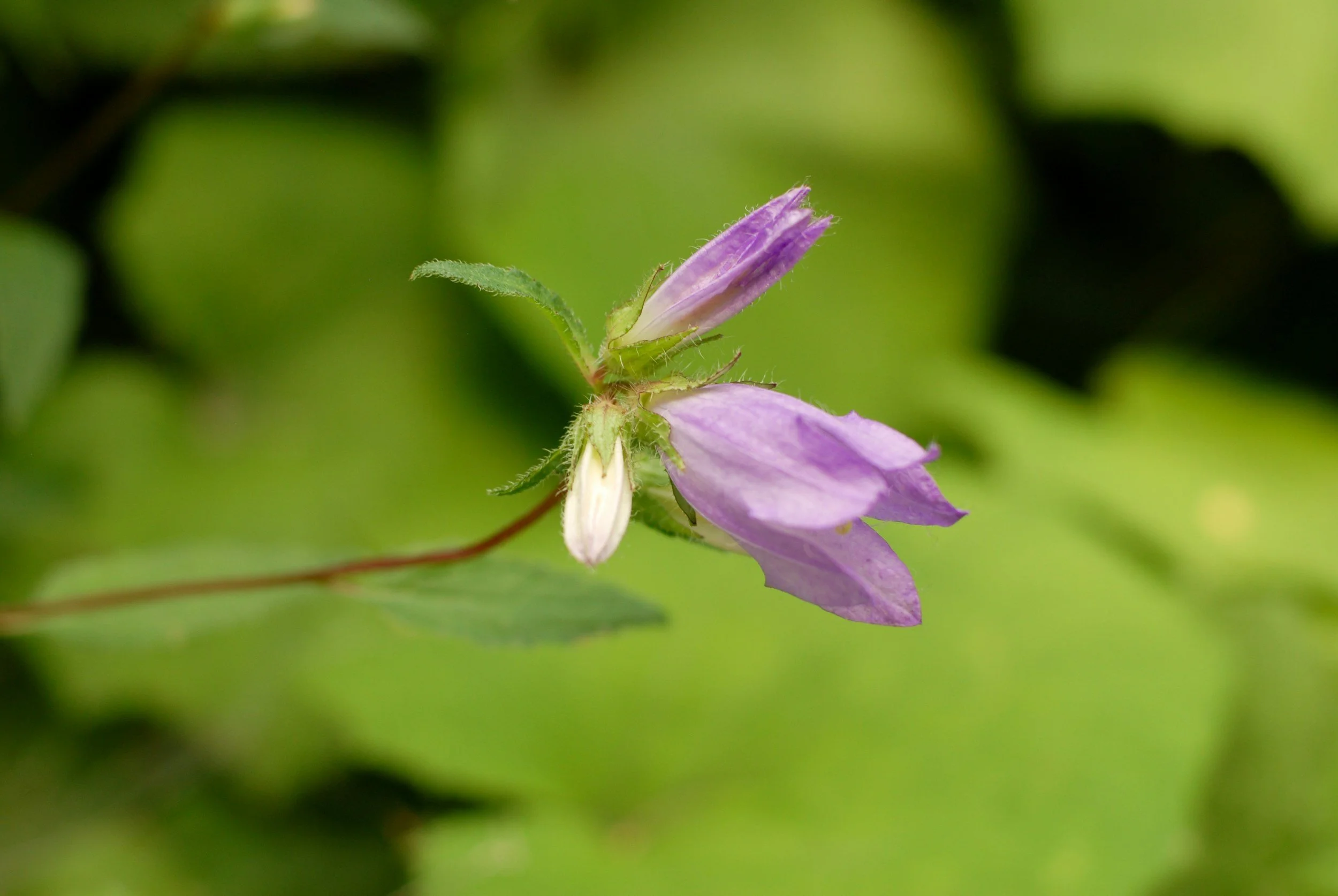
This deceptive invader produces pretty purple, bell-shaped flowers that often trick homeowners into keeping it around. However, it has stubborn, deep taproots (sometimes called "zombie roots") that make it incredibly difficult to manage once it takes hold. It can survive in almost any soil condition, allowing it to easily outcompete lawn grass and take over established garden beds.
Dog Strangling Vine
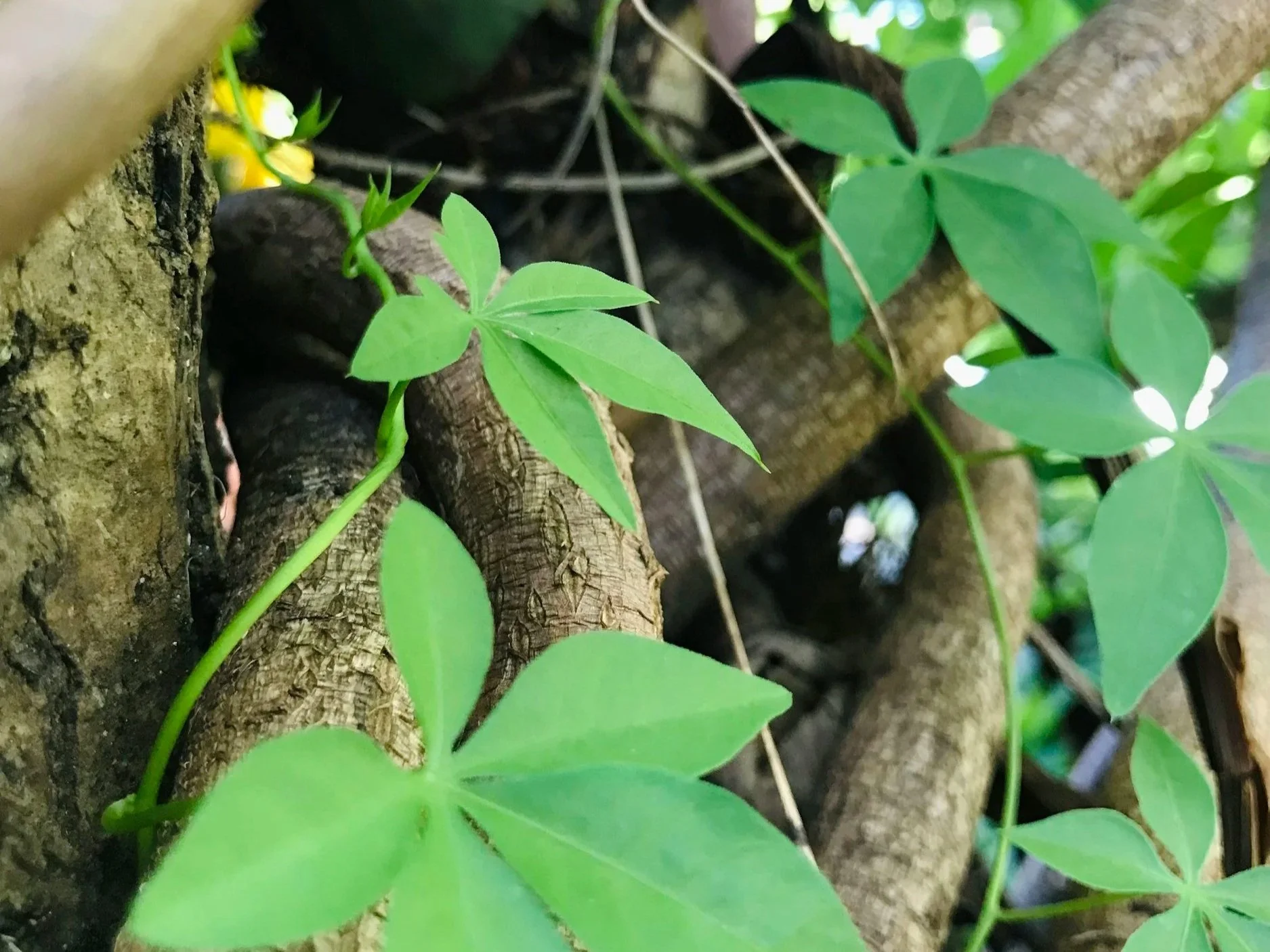
This aggressive vine literally twists around and chokes out small native trees and plants as it climbs toward the sun. Beyond its physical dominance, it is particularly dangerous to local ecosystems because it confuses native Monarch butterflies. The butterflies will sometimes lay their eggs on its leaves, but the caterpillars cannot survive eating them. It requires very careful management to clear the area for healthy, native growth.
Ready to stop planting the problem?
Creeping plants are often sold as easy, low-maintenance groundcovers, but letting them roam free can cause massive headaches for your landscape.
Do not let aggressive invasive plants control your property. Through our Remove and Replace service, we handle the heavy lifting to clear out these invaders safely. Once the area is prepared, we install intentional, ecological native plant communities in their place.
If you spot any of these plants spreading through your garden, it is time for an upgrade. Reach out to us today to discuss our Remove and Replace service. Stay tuned for part two of this series where we tackle large invasive shrubs and grasses!
